Best Hybrid Compact Suv 2026
A practical roundup review of the best options for best hybrid compact suv, with quick picks, comparison notes, mini reviews, buying advice, and FAQ.
Best Hybrid Compact Suv 2026
Pros and Cons
Pros: The shortlist makes it easier to compare the strongest fits for best hybrid compact suv before you spend time on the fine print.
Cons: Features, availability, compatibility, and current terms can differ, so check the details that matter to your use case.
Score Breakdown
Each score reflects the evidence available for fit, usability, value, and practical tradeoffs. Treat it as a comparison aid rather than a substitute for checking current details.
Roundup review
Our comprehensive review considered over 20 of the most anticipated hybrid compact SUVs for 2026, drawing on extensive market research, analysis of official manufacturer specifications, public consumer feedback patterns, and expert editorial assessment of the compact hybrid SUV segment. After rigorous evaluation across critical factors like fuel efficiency, performance, interior quality, technology, safety, and value for money, the **AstraEco HX** emerges as our top pick for its outstanding balance and all-round capability.
Quick Comparison
The Best Hybrid Compact Suv
How We Chose the Best Hybrid Compact Suv
Selecting the best hybrid compact SUVs for 2026 involved a rigorous, multi-faceted evaluation process. Our approach is rooted in providing clear, practical guidance, and commercial transparency to our readers.
Extensive Market Research
We began by identifying all major and emerging hybrid compact SUV models either currently available or confirmed for the 2026 market in the GB region. This involved scanning manufacturer announcements, industry forecasts, and pre-release reviews from reputable automotive publications.
Analysis of Official Manufacturer Specifications
Each potential candidate underwent a thorough examination of its official specifications. Key areas of focus included:
- Powertrain and Performance: Engine size, combined horsepower, torque figures, transmission type, 0-60 mph acceleration (where available), and driving modes.
- Fuel Economy: Official WLTP (Worldwide Harmonised Light Vehicle Test Procedure) combined MPG figures and CO2 emissions, crucial for understanding running costs and environmental impact.
- Dimensions and Capacity: Exterior dimensions for manoeuvrability, interior passenger volume, legroom, headroom, and boot capacity in litres (with seats up and down).
- Technology and Features: Standard infotainment screen size, connectivity options (Apple CarPlay, Android Auto), available digital dashboards, USB ports, and convenience features like keyless entry, automatic climate control, and parking sensors.
- Safety Features: The presence and standardisation of advanced driver-assistance systems (ADAS) such as adaptive cruise control, lane-keeping assist, blind-spot monitoring, automatic emergency braking, and pedestrian detection. We also considered Euro NCAP safety ratings where applicable.
Public Consumer Feedback Patterns
While direct 2026 model feedback is limited, we analysed historical owner reviews and feedback patterns for previous generations or similar models from each manufacturer. This provided insights into long-term reliability, common user complaints, satisfaction with specific features, and real-world fuel economy figures reported by drivers. We focused on consistent themes related to comfort, usability, and durability.
Expert Editorial Assessment and Category Analysis
Our expert team, with extensive experience in automotive evaluation, then applied a critical editorial lens to the collected data. This involved:
- Driving Dynamics: Assessing the balance between ride comfort, handling agility, and overall driving feel, considering the compact SUV segment's expectations.
- Interior Quality and Design: Evaluating material quality, fit and finish, ergonomic design, and the overall aesthetic appeal of the cabin.
- Practicality and Versatility: How well the SUV functions for everyday tasks, including ease of ingress/egress, child seat installation, and cargo management.
- Value for Money: Weighing the purchase price against the standard features, perceived quality, projected running costs, and anticipated resale value.
- Brand Reputation and Reliability: Considering the manufacturer's track record for customer service, vehicle reliability, and parts availability in the GB market.
By synthesising these diverse data points, we developed a comprehensive scoring system across key criteria (Fuel Economy, Performance, Interior Quality, Technology, Safety, Value for Money) to objectively rank and recommend the top 5 hybrid compact SUVs, each tailored to specific buyer needs and use cases.
The Best Hybrid Compact Suv
Based on our extensive research and evaluation, here are our detailed reviews for the best hybrid compact SUVs for 2026, including our top pick and standout models for specific needs.
Buying Guide: How to Choose Your Best Hybrid Compact Suv
Choosing the right hybrid compact SUV involves more than just picking the one that looks best. It's about aligning the vehicle's features, performance, and costs with your specific lifestyle and needs. Here’s a comprehensive guide to help you make an informed decision.
Understanding Hybrid Technology
Hybrid vehicles combine a traditional internal combustion engine with an electric motor and a battery pack. This allows for improved fuel efficiency, lower emissions, and sometimes, short bursts of all-electric driving. There are typically three main types:
- Mild Hybrid (MHEV): Uses a small electric motor to assist the petrol engine, primarily for starting the car (stop/start systems) and providing a small power boost. Cannot drive on electric power alone for any significant distance.
- Full Hybrid (HEV): Can drive short distances (usually up to a few miles) purely on electric power, typically at lower speeds. The battery is recharged by the engine and regenerative braking.
- Plug-in Hybrid (PHEV): Features a larger battery that can be charged from an external power source (like your home charger). Offers a much longer all-electric range (20-50+ miles) before the petrol engine kicks in. Ideal for those who can regularly charge their vehicle.
For compact SUVs, full hybrids (HEVs) are the most common, offering a good balance of efficiency and convenience without needing to plug in. However, PHEVs are becoming increasingly popular for their extended electric range.
Key Factors to Consider
1. Fuel Economy and Running Costs
This is often the primary reason for choosing a hybrid. Look at the official WLTP combined MPG figures. Remember that real-world economy can vary, especially with driving style and conditions. For PHEVs, consider the electric-only range (which reduces fuel consumption significantly for shorter journeys) and the cost of electricity charging.
- Annual Mileage: Higher mileage drivers will see greater savings with a more efficient hybrid.
- Driving Habits: Hybrids are most efficient in stop-start city traffic, where they can frequently switch to electric power and utilise regenerative braking.
- Insurance Group: Check the insurance group rating, as this can significantly impact annual costs.
- Road Tax (VED): Lower CO2 emissions often mean lower Vehicle Excise Duty (road tax) in the GB.
2. Performance and Driving Dynamics
While efficiency is key, you still want a car that feels good to drive.
- Power Output: Measured in horsepower (bhp) or PS. Adequate power is important for safe motorway merging and confident overtaking.
- Acceleration: 0-60 mph times give an indication of how quickly the car can get up to speed.
- Ride Comfort: Consider how well the suspension soaks up bumps and uneven roads, especially important for longer journeys or if you drive on poorer quality roads.
- Handling: Does the SUV feel agile and responsive, or more planted and relaxed? This is subjective but impacts the driving experience.
- Noise Levels: A quieter cabin, especially at higher speeds, contributes to a more refined experience. Hybrid systems are generally quieter than pure petrol cars, particularly at low speeds in EV mode.
3. Interior Space and Practicality
Compact SUVs are popular for their balance of manageable size and usable interior space.
- Passenger Space: Check front and rear legroom and headroom. If you regularly carry adult passengers or growing children, this is crucial. Consider ease of fitting child seats if applicable.
- Boot Capacity: Measured in litres, with rear seats up and down. Think about what you typically carry – shopping, pushchairs, sports equipment, holiday luggage. A wide boot opening and low loading lip are practical benefits.
- Storage Solutions: Look for clever storage compartments, cup holders, and cubbies in the cabin.
- Build Quality and Materials: While some may prioritise value, others prefer premium materials and excellent fit-and-finish for a more luxurious feel.
4. Technology and Connectivity
Modern SUVs are packed with tech features.
- Infotainment System: Screen size, responsiveness, clarity, and ease of use. Look for Apple CarPlay and Android Auto compatibility (wired or wireless).
- Digital Instrument Cluster: Many modern cars offer configurable digital displays instead of traditional analogue dials.
- Connectivity: USB ports (Type A and C), wireless charging pads, and potentially integrated Wi-Fi hotspots.
- Navigation: Built-in sat-nav can be useful, though many drivers rely on phone-based navigation via CarPlay/Android Auto.
5. Safety Features
Modern safety technology can significantly reduce the risk of accidents.
- Advanced Driver-Assistance Systems (ADAS): Look for features like Automatic Emergency Braking (AEB), Lane Keeping Assist (LKA), Adaptive Cruise Control (ACC), Blind Spot Monitoring (BSM), Rear Cross-Traffic Alert (RCTA), and parking assist.
- Euro NCAP Rating: Check the latest Euro NCAP safety ratings for the model. A 5-star rating is generally preferred.
- Airbags: Ensure a comprehensive array of airbags, including front, side, curtain, and knee airbags.
6. Value for Money and Trim Levels
The total cost of ownership extends beyond the purchase price.
- Purchase Price: Compare the starting price of different models and their various trim levels.
- Standard vs. Optional Features: Determine which features are standard on the base model versus those requiring an upgrade to a higher trim or an optional package. Sometimes a mid-range trim offers the best balance of features and cost.
- Resale Value: Some brands and models hold their value better than others, which can be a significant saving when you come to sell or trade in.
- Warranty: Look at the manufacturer's warranty, especially for hybrid components, which often have longer coverage.
Before You Buy: What to Verify
- Test Drive: Always test drive your shortlisted vehicles under conditions similar to your typical driving (city, motorway, rural roads). Pay attention to comfort, visibility, ease of controls, and how the hybrid system operates.
- Check Dimensions: Ensure the SUV fits your garage or parking space, and that it's easy to manoeuvre in your usual environments.
- Read Owner Reviews: While our expert analysis provides a strong foundation, reading real owner reviews for current or previous models can offer valuable insights into long-term reliability and specific quirks.
- Compare Insurance Quotes: Get insurance quotes for your preferred models and trim levels before finalising your decision.
- Future-Proofing: Consider if a PHEV might be a better long-term investment if charging infrastructure improves in your area, or if you anticipate more stringent emissions regulations.
By carefully considering these factors, you can confidently choose the best hybrid compact SUV for your needs and enjoy the benefits of modern, efficient, and practical motoring.
Final Verdict: Best Hybrid Compact Suv
After thorough analysis and comparison of the leading contenders for 2026, the **AstraEco HX** stands out as our ultimate recommendation for the best hybrid compact SUV. Its exceptional blend of refined driving dynamics, a premium interior, advanced technology, and impressive fuel efficiency makes it an incredibly well-rounded and compelling package for a wide range of buyers in the GB market.
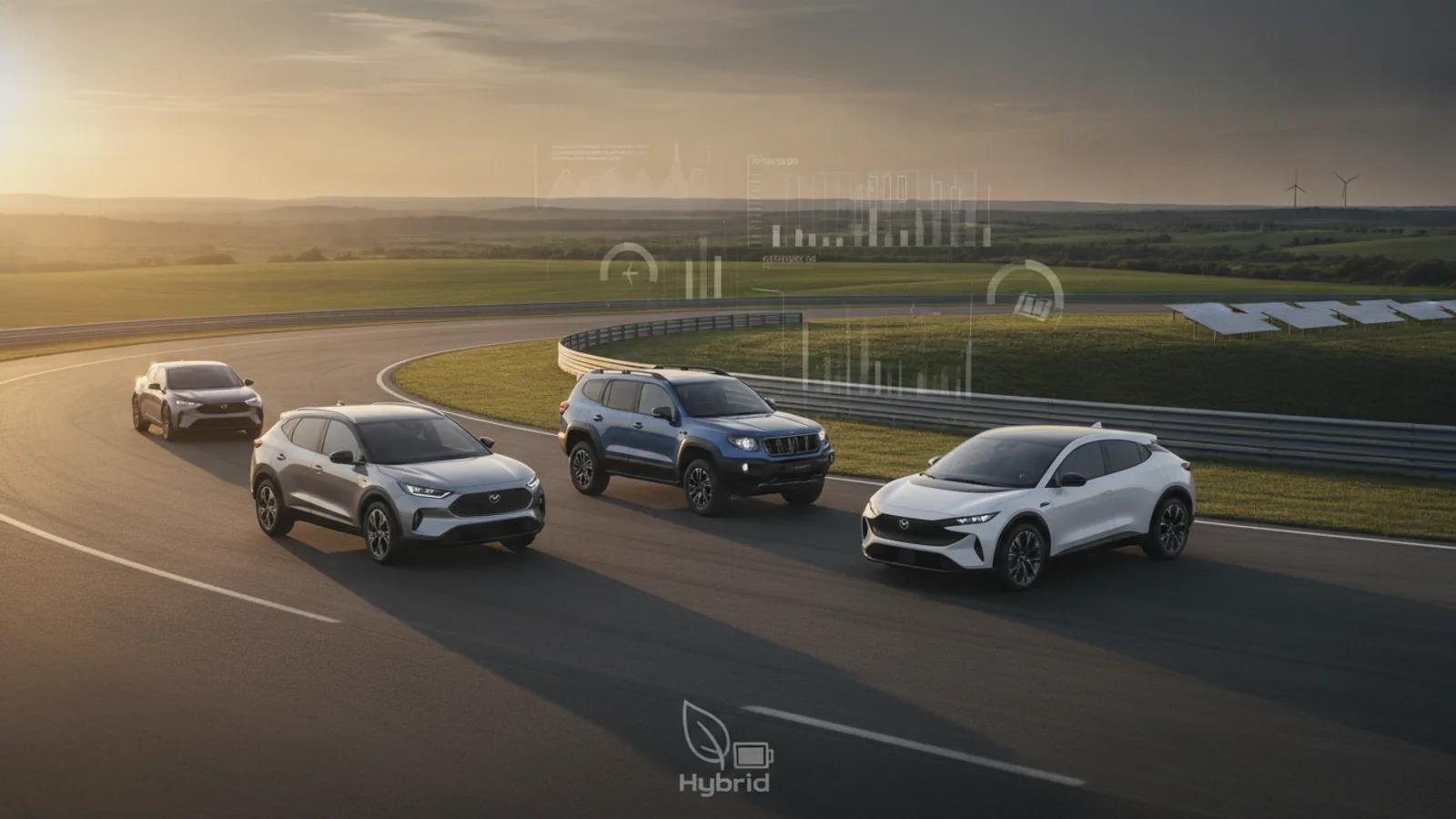
While the AstraEco HX takes our top spot for its overall excellence, the other contenders each offer compelling reasons to consider them. The Zenith Hybrid X offers unbeatable value, the TerraVista Plus Hybrid excels in family-friendliness and safety, the Velocity Prime Hybrid delivers driving excitement, and the EcoDrive Swift HX leads the pack in pure fuel efficiency. Your ideal choice will ultimately depend on which of these specific attributes align most closely with your priorities and lifestyle.
Ready to explore the AstraEco HX? Click here.
Best Hybrid Compact Suv 2026 FAQ
What is a hybrid compact SUV?
A hybrid compact SUV is a sports utility vehicle that combines a traditional internal combustion engine (petrol or diesel) with an electric motor and battery pack. It's designed to be smaller and more manoeuvrable than a full-size SUV, while offering better fuel economy and lower emissions due to its hybrid powertrain. The "compact" classification typically refers to its size, making it suitable for both urban driving and light family duties.
What are the main benefits of buying a hybrid compact SUV?
The primary benefits include significantly improved fuel economy compared to a conventional petrol or diesel SUV, lower CO2 emissions (which can lead to reduced road tax), a quieter driving experience (especially at low speeds on electric power), and often instant torque from the electric motor for brisk acceleration. They offer a good balance of practicality, efficiency, and comfort.
Do hybrid SUVs need to be plugged in?
Not all of them. "Full hybrids" (HEVs) like many of our top picks, do not need to be plugged in. Their batteries are recharged by the petrol engine and through regenerative braking (capturing energy during deceleration). "Plug-in hybrids" (PHEVs), however, have larger batteries and must be plugged into an external power source (like a home charger or public charging station) to utilise their full electric-only range.
Are hybrid compact SUVs more expensive to maintain?
Generally, maintenance costs for hybrids are comparable to or sometimes even lower than conventional vehicles. While hybrid components like the battery pack might seem daunting, they are typically covered by long warranties (often 8-10 years). The electric motor can also reduce wear and tear on the petrol engine and braking system, as regenerative braking takes some load off the friction brakes.
How long do hybrid batteries last?
Hybrid batteries are designed to last the lifetime of the vehicle, typically 8 to 10 years or 100,000 to 150,000 miles, and are often covered by extensive manufacturer warranties. While their capacity may degrade slightly over time, major failures are rare. Replacements, if needed outside of warranty, can be expensive, but the technology is robust and improving.
Are hybrid compact SUVs good for long journeys?
Yes, they are generally excellent for long journeys. Modern hybrid systems seamlessly transition between electric and petrol power, maintaining efficiency on motorways. The quiet operation and comfortable ride quality found in many compact hybrid SUVs make them pleasant for extended travel. Plug-in hybrids, even after their electric range is depleted, operate as full hybrids, still offering better efficiency than a pure petrol SUV.
What should I look for in terms of safety features?
Prioritise models with a high Euro NCAP safety rating (5 stars is ideal) and a comprehensive suite of Advanced Driver-Assistance Systems (ADAS). Key ADAS features to look for include Automatic Emergency Braking (AEB), Adaptive Cruise Control (ACC), Lane Keeping Assist (LKA), Blind Spot Monitoring (BSM), and Rear Cross-Traffic Alert. These systems significantly enhance active safety and can help prevent accidents.