How Long Do Tires Last
A practical step-by-step guide to how long do tires last, including preparation, instructions, common issues, tips, and next steps.
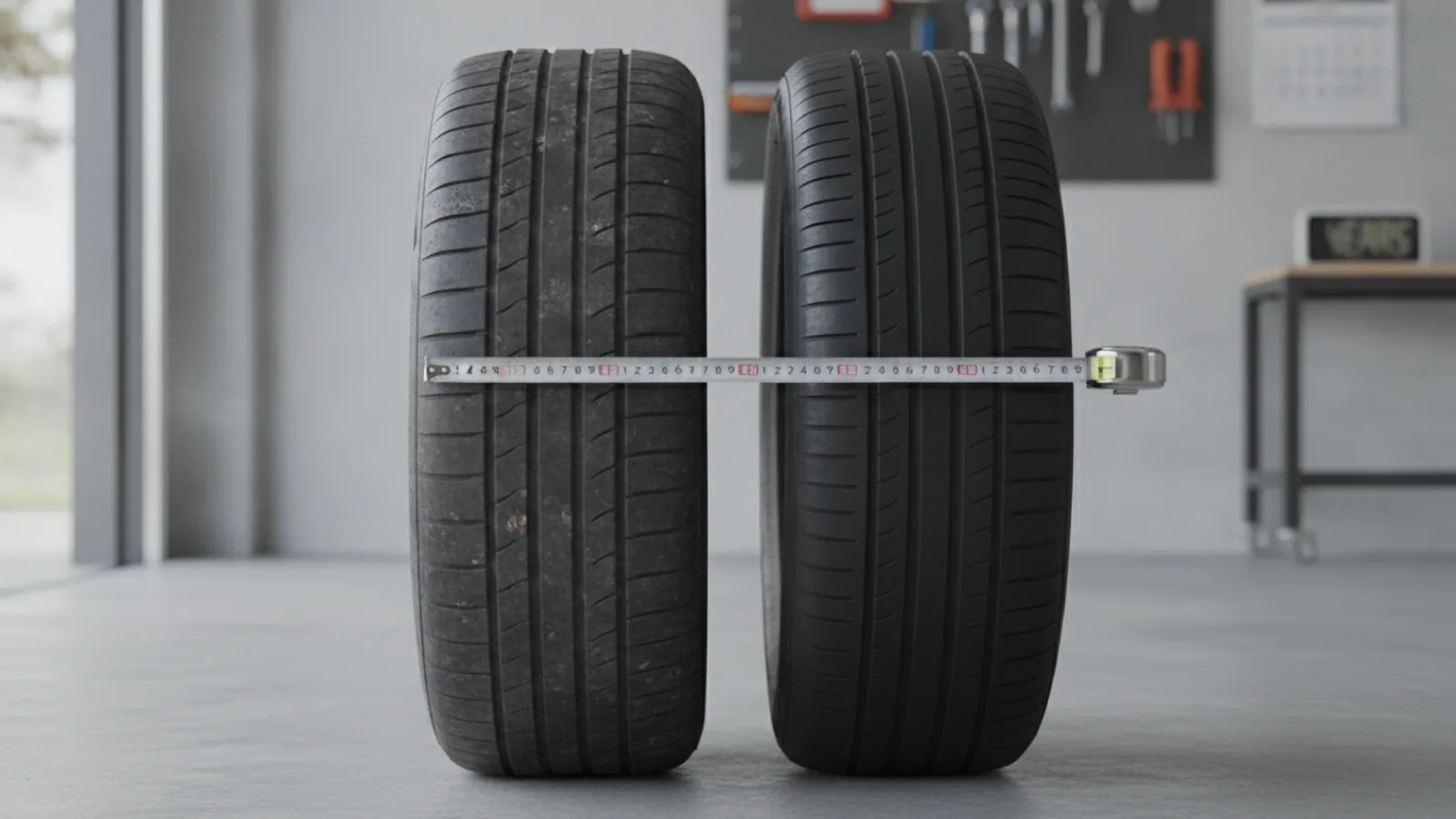
How Long Do Tires Last
Most tires last between 20,000 and 50,000 miles, but this wide range highlights a simple truth: a tire's lifespan depends on more than just distance. Your driving habits, road conditions, tire type, and maintenance schedule all play a critical role. Furthermore, a tire's age is just as important as its mileage, with most manufacturers recommending replacement after ten years, regardless of tread depth. This guide provides clear, practical steps to inspect your tires, understand wear patterns, and learn how to maximise their life, keeping your vehicle safe and efficient.
Fast Answer
- Average Lifespan (Miles): 20,000 - 50,000 miles
- Recommended Max Age: 10 years from manufacture date
- UK Legal Tread Depth: 1.6mm minimum
- Recommended Safe Tread Depth: 3mm or more for wet conditions
Before You Start
Understanding how long your tires will last involves a few simple checks you can perform at home. It's not just about mileage; it's about the overall health and age of the rubber. Gather these items to get a clear picture of your tires' condition.
- A 20p Coin: This is a simple, effective tool for checking your tire tread depth against UK legal standards.
- Tire Pressure Gauge: Essential for checking inflation levels, which is a key factor in tire wear and safety.
- Your Car's Handbook: This contains the manufacturer's recommended tire pressures and specifications.
- A Torch or Bright Light: Helpful for inspecting the inner parts of the tire and spotting small cracks or embedded objects.
Step-by-Step Instructions
Find and Read the Tire's Manufacturing Date
Every tire has a code stamped on its sidewall that reveals its age. Look for a series of letters and numbers that begin with "DOT". The last four digits of this code tell you the exact week and year the tire was made. For example, a code ending in '3521' means the tire was manufactured in the 35th week of 2021.
This is the single most important check for older vehicles or cars that are not driven frequently. A tire can look perfect, have deep tread, and still be dangerously degraded due to age. If you cannot find the code on the outer sidewall, check the inner one, as it may only be printed on one side.
Measure the Tread Depth with a 20p Coin
Tire tread is essential for grip, especially in wet weather, as the grooves help to clear water from the road surface. In the UK, the legal minimum tread depth is 1.6mm across the central three-quarters of the tread width and around the entire circumference.
To check this, take a 20p coin and insert it into the main tread grooves of your tire. The outer band of the 20p coin is just over 2mm deep. If you place the coin in the groove and you cannot see the outer band, your tread is likely above the legal limit. If you can see the outer band, your tire tread is getting low and you should have it checked by a professional immediately. For optimal safety, especially in rain and snow, most experts recommend replacing tires when the tread depth reaches 3mm.
Perform a Thorough Visual Inspection
Beyond tread depth and age, the physical condition of the tire is crucial. Walk around your vehicle and carefully inspect the entire surface of each tire, including the sidewalls. Turn the steering wheel to full lock to get a better view of the front tires.
Look for the following signs of damage:
- Cracks or Crazing: Fine cracks, especially on the sidewall or between tread blocks, indicate that the rubber is drying out and becoming brittle.
- Bulges or Blisters: A bulge on the sidewall is a serious sign of internal damage to the tire's structure. The tire could fail at any moment and must be replaced immediately.
- Cuts, Gouges, or Punctures: Check for any sharp objects like nails, screws, or glass embedded in the tread. While small punctures in the main tread can sometimes be repaired, any damage to the sidewall means the tire must be replaced.
Identify Uneven Wear Patterns
The way your tires wear down provides valuable clues about the health of your vehicle's suspension and alignment. An ideal tire wears evenly across its entire tread surface. If you notice specific patterns, it's a sign that something needs adjusting, and addressing it can significantly extend the life of your next set of tires.
- Centre Wear: If the middle of the tread is wearing out faster than the edges, the tire is likely over-inflated. Too much air pressure causes the centre of the tire to bulge, concentrating wear in one strip.
- Edge Wear: If both outer edges are wearing faster than the centre, the tire is likely under-inflated. Not enough air pressure causes the tire to sag, putting excess force on the shoulders.
- One-Sided Wear: If only the inner or outer edge of the tire is worn, this is a classic sign of a wheel alignment problem.
- Patchy Wear (Cupping): Scalloped or cupped dips appearing around the tread surface often point to a problem with wheel balancing or worn suspension components like shock absorbers.
Factor in Your Driving Habits and Environment
How and where you drive are two of the biggest factors determining tire longevity. A driver who covers 20,000 miles a year on smooth motorways may get more life from their tires than someone who drives 10,000 miles on poorly maintained city roads with frequent braking and cornering.
Consider these factors:
- Driving Style: Aggressive acceleration, hard braking, and fast cornering all scrub rubber off your tires at an accelerated rate.
- Road Conditions: Potholes, rough surfaces, and debris can cause physical damage and accelerate wear.
- Vehicle Load: Consistently carrying heavy loads puts more strain on your tires, increasing friction and heat, which leads to faster wear.
- Speed: Driving at high speeds for sustained periods generates more heat, which can break down the rubber compound over time.
Review the Tire's Specifications and Ratings
Not all tires are created equal. High-performance "summer" tires are made with soft, sticky rubber compounds that provide excellent grip but wear out quickly. In contrast, "touring" or "all-season" tires use harder compounds designed for longevity and fuel efficiency.
You can find a relative indicator of a tire's expected life on the sidewall, known as the UTQG (Uniform Tire Quality Grading) rating. Look for the word "TREADWEAR" followed by a number. This number is not a direct mileage guarantee, but a comparative rating. A tire with a treadwear rating of 600 is expected to last twice as long as a tire with a rating of 300 under the same controlled test conditions. Use this as a rough guide when comparing potential replacement tires.
Quick Reference: Uneven Tire Wear
Use this table to quickly diagnose common tire wear patterns and their likely causes. Addressing the root cause is the best way to ensure your next set of tires lasts as long as possible.
| Wear Pattern | Likely Cause | Primary Solution |
|---|---|---|
| Wear on both outer edges | Under-inflation | Inflate tires to the correct pressure listed in your car's handbook or on the door jamb sticker. |
| Wear in the centre strip | Over-inflation | Check pressure and release air until it matches the manufacturer's recommendation. |
| Wear on one edge only (inner or outer) | Wheel misalignment | Visit a garage for a professional four-wheel alignment. |
| Patchy wear or "cupping" | Wheel balancing issue or worn suspension | Have your wheels re-balanced and ask a mechanic to inspect your shock absorbers and suspension. |
Common Problems When Assessing Tire Life
Even with the right checks, it's easy to overlook certain issues. Here are some common mistakes to avoid when determining if your tires need replacing.
- Forgetting the Spare Tire: The spare tire is often forgotten, left to age in the boot. It degrades just like the tires on the road. Check its age and pressure at least twice a year. A 15-year-old spare tire is not safe to use, even in an emergency.
- Ignoring Sidewall Damage: Many people focus only on tread depth. However, a bulge or deep cut in the sidewall is a sign of structural failure. This is non-negotiable: the tire is unsafe and needs immediate replacement, regardless of its tread.
- Relying Solely on Mileage: A ten-year-old tire with only 10,000 miles on it is often more dangerous than a three-year-old tire with 30,000 miles. Age-related rubber degradation is a real and significant safety risk.
- Mixing and Matching Tires: Replacing only one tire can create an imbalance in grip and handling, especially in wet conditions. It is always best to replace tires in pairs on the same axle. For all-wheel-drive (AWD) vehicles, replacing all four tires at once is often recommended to avoid damage to the drivetrain.
Advanced Tips for Maximising Tire Lifespan
Getting the most out of your tires comes down to consistent, proactive maintenance. These habits will not only save you money but also improve your vehicle's safety and fuel economy.
- Check Tire Pressure Monthly: This is the single most effective thing you can do. Check the pressure when the tires are cold (driven less than a mile) using a reliable gauge. The correct pressures are found in your car's handbook or on a sticker inside the driver's door jamb, not on the tire sidewall itself.
- Rotate Your Tires Regularly: The front tires on a front-wheel-drive car wear much faster than the rears. Rotating them (e.g., moving the front tires to the back and vice versa) every 6,000 to 8,000 miles helps them wear down evenly as a set.
- Get Your Wheel Alignment Checked Annually: Hitting a pothole or kerb can knock your wheels out of alignment. This is a primary cause of rapid, uneven tire wear. An annual alignment check is a small investment that protects your much larger investment in tires.
- Drive Smoothly: Gentle acceleration, smooth braking, and fluid cornering reduce the forces acting on your tires, which directly translates to a longer lifespan.
- Choose the Right Tire for Your Needs: If you live in an area with cold winters, using dedicated winter tires during the cold months and switching to summer tires in the spring will prolong the life of both sets. All-season tires are a compromise and will wear faster in extreme heat or cold.
How Long Do Tires Last FAQ
How many miles should tires last?
Most standard all-season tires on a typical family car should last between 30,000 and 50,000 miles. However, high-performance tires on a sports car might only last 15,000 miles, while durable tires on a light truck could exceed 60,000 miles. It is highly dependent on the tire type, vehicle, and driving conditions.
Do tires expire if not used?
Yes. The rubber compounds in tires degrade over time due to exposure to oxygen, sunlight, and ozone, even if the tire is stored in a garage. Most vehicle and tire manufacturers recommend replacing any tire that is 10 years past its manufacturing date, regardless of its appearance or tread depth.
Why are my front tires wearing out faster?
On a front-wheel-drive vehicle, the front tires handle the forces of steering, acceleration, and most of the braking. This extra workload causes them to wear significantly faster than the rear tires. This is why regular tire rotation is so important.
Is it okay to replace only one tire?
It is strongly discouraged. To maintain balanced and predictable handling, you should always replace tires in pairs on the same axle. If you have an all-wheel-drive (AWD) vehicle, check your owner's manual; many manufacturers require all four tires to be replaced at once to prevent damage to the car's differential and drivetrain systems.
What are the MOT rules for tires in the UK?
For a vehicle to pass its MOT, its tires must be the correct size and type for the vehicle, be inflated correctly, have no serious cuts or bulges, and have a minimum tread depth of 1.6mm across the central 75% of the tread width and around the entire circumference of the tire.
Final Checklist for Tire Longevity
Follow this routine to stay on top of your tire health and maximise their safe, usable life.
- Monthly: Check the pressure of all four tires and the spare. Adjust as needed.
- Every Six Months: Perform a full visual inspection for damage, cracks, and bulges. Check tread depth using the 20p test.
- Every 6,000 - 8,000 Miles: Rotate your tires according to the pattern in your vehicle's handbook.
- Annually: Have your wheel alignment professionally checked, especially if you notice any uneven wear.
- After 6 Years of Age: Begin having your tires professionally inspected once a year, even if they look fine.
- At 10 Years of Age: Replace your tires, no matter how much tread is left. Their structural integrity can no longer be trusted.